What Is Myoshinji Temple?
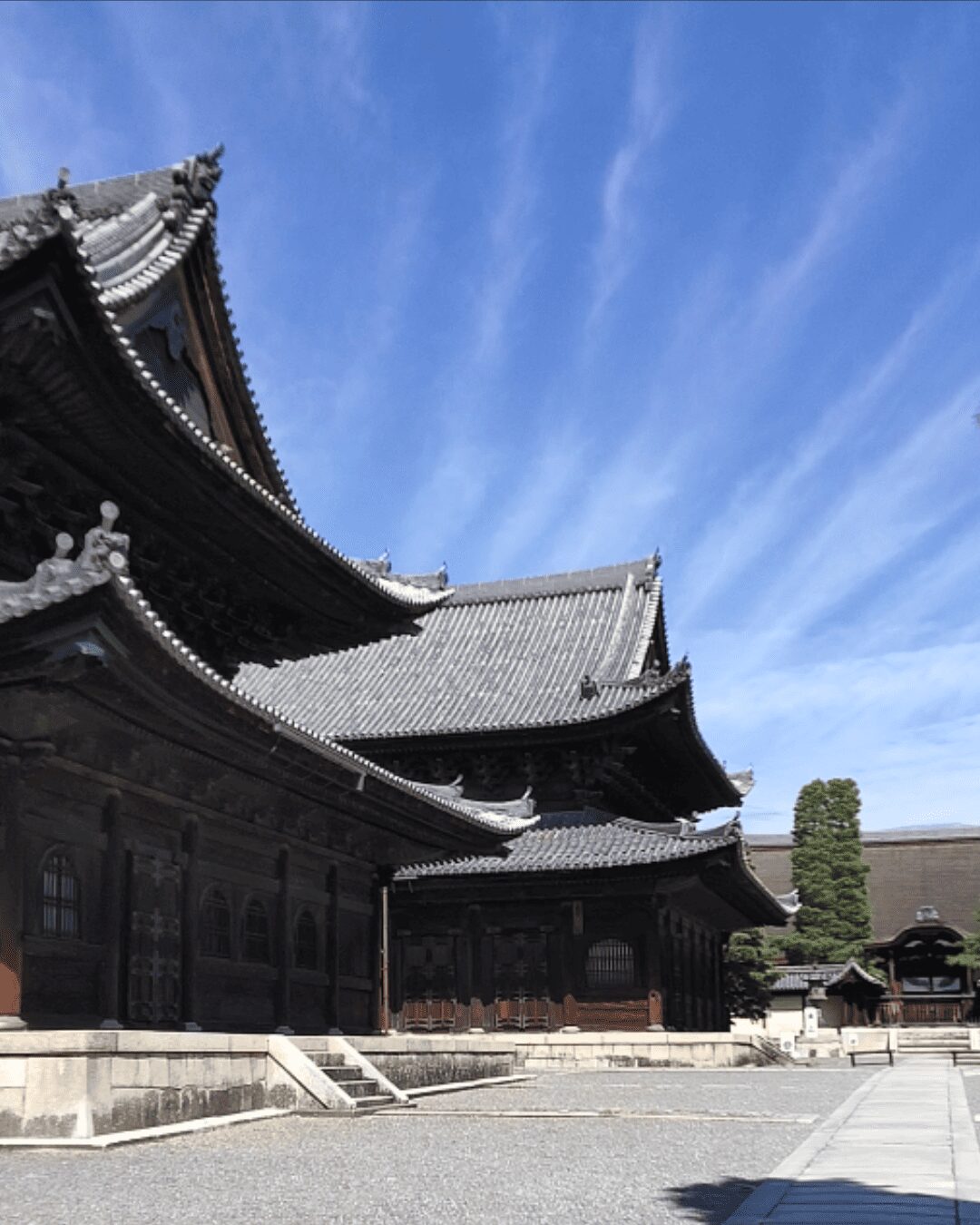
Myoshinji Temple (妙心寺) is the head temple of the Myoshinji school of the Rinzai Zen sect and one of the most important centers of Zen Buddhism in Japan. Located in the Hanazono area of northwestern Kyoto, it is known as the largest Zen temple complex in the city. Rather than a single building, Myoshinji is a vast religious precinct composed of more than 40 sub-temples spread across spacious grounds.
Unlike Kyoto’s more tourist-oriented Zen temples, Myoshinji functions first and foremost as a living religious institution. It remains an active place of monastic training, meditation, and cultural transmission, offering visitors a deeper understanding of Zen as a spiritual tradition rather than a visual attraction alone.
History of Myoshinji Temple
Foundation and Imperial Origins
Myoshinji was founded in 1337 by Emperor Hanazono, a retired emperor deeply devoted to Zen Buddhism. Originally the site of an imperial villa, the land was converted into a Zen temple during the early Muromachi period. From its inception, Myoshinji was closely connected to the imperial court, which helped establish its authority and prestige within the Buddhist world.
Myoshinji as the Head Temple of the Rinzai School
Over time, Myoshinji developed into the head temple of what is now the largest branch of the Rinzai Zen sect. The Myoshinji school oversees thousands of affiliated temples across Japan. Its emphasis on strict monastic discipline, zazen meditation, and doctrinal study shaped the development of Zen culture nationwide, making Myoshinji a cornerstone of Japanese Zen history.
Planning your trip to Kyoto?
Finding the right hotel in a convenient location can make your journey even more enjoyable.
Compare a wide range of hotels, ryokan, and accommodations in Kyoto and find the perfect place for your stay.
👉 Find Hotels in Kyoto


Why Myoshinji Is the Largest Zen Temple Complex in Kyoto
Vast Grounds and the System of Sub-temples (Tacchu)
What sets Myoshinji apart is its unique structure. The temple complex contains more than 40 sub-temples, known as tacchu, each functioning semi-independently while remaining under the authority of the head temple. These sub-temples historically served as residences for abbots, training halls for monks, and family temples for samurai patrons.
This system allowed Myoshinji to expand organically over centuries, transforming it into a self-contained Zen city. Stone paths connect the sub-temples, creating a tranquil atmosphere that reflects Zen ideals of order, simplicity, and contemplation.
Highlights of Myoshinji Temple
Hatto Hall and the Dragon in the Clouds (Unryuzu)
One of Myoshinji’s most famous highlights is the Hatto (Dharma Hall), whose ceiling is adorned with a dramatic ink painting of a dragon known as the Unryuzu. The dragon appears to gaze down from every angle, symbolizing the ever-present nature of enlightenment in Zen thought. This artwork is regarded as one of the finest examples of Zen temple ceiling paintings in Kyoto.
Sanmon Gate and Important Cultural Properties
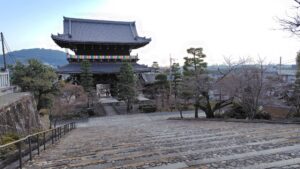
The imposing Sanmon Gate serves as the formal entrance to the temple complex. In Zen Buddhism, passing through the gate symbolizes leaving the ordinary world behind. Myoshinji also preserves numerous Important Cultural Properties, including historic buildings, bells, and ritual objects that illustrate the temple’s long religious and cultural legacy.
Akechiburo Bathhouse
Another distinctive feature is the Akechiburo bathhouse, traditionally associated with Akechi Mitsuhide, a famous samurai of the Sengoku period. According to tradition, the bathhouse was donated as an act of devotion, linking Myoshinji to the turbulent world of Japan’s medieval warriors.
Many Japanese products are heavily marked up outside Japan.
Availability can also be limited.
Skip the middleman and shop directly from Japan.
Now you can access thousands of authentic products—from watches and electronics to rare collectibles like Pokémon cards.
👉 Click to Explore Japanese Products メルカリ
Famous Sub-temples Inside Myoshinji
Taizoin Temple
Taizoin is the most accessible and widely visited sub-temple within Myoshinji. It is renowned for its beautifully designed gardens, which include a dry landscape garden and seasonal plantings. Taizoin offers visitors a rare opportunity to experience Zen aesthetics in a quiet, intimate setting.
Keishun-in and Other Notable Sub-temples
Keishun-in is another well-known sub-temple, particularly for its connection to Zen meditation experiences. Many other sub-temples remain closed to the public, preserving their role as places of training and religious life rather than sightseeing destinations.
Graves and Memorials at Myoshinji Temple
The Grave of Sanada Nobuyuki
Myoshinji is associated with the grave of Sanada Nobuyuki, a prominent feudal lord of the early Edo period and the elder brother of the legendary samurai Sanada Yukimura. Nobuyuki maintained close ties with Zen Buddhism, which was widely embraced by the warrior class for mental discipline and ethical grounding. His connection to Myoshinji reflects the temple’s historical role as a spiritual center for samurai families rather than merely a place of worship.
The Grave of Chiyonofuji Mitsugu
Myoshinji is also known for its association with Chiyonofuji Mitsugu, one of the most celebrated yokozuna in modern sumo history. Chiyonofuji was widely recognized for his strict self-discipline and mental strength, qualities often linked to Zen philosophy. His connection to Myoshinji illustrates how the temple’s spiritual influence extends beyond the medieval period and continues to resonate with figures in contemporary Japanese culture.
Zen Culture and Practices at Myoshinji
Zazen Meditation and Zen Philosophy
Zazen, or seated meditation, lies at the heart of Zen practice at Myoshinji. Monks undergo rigorous training focused on mindfulness, posture, and breathing, aiming to cultivate direct insight into the nature of existence. This emphasis on experiential understanding distinguishes Zen from other forms of Buddhism.
Temple Lodging (Shukubo) and Zen Experiences
Some sub-temples within the Myoshinji network offer shukubo, or temple lodging, allowing visitors to participate in meditation, vegetarian meals, and daily temple routines. These experiences provide a deeper perspective on Zen life beyond conventional sightseeing.
How to Visit Myoshinji Temple
Access and Transportation
Myoshinji Temple is easily accessible from central Kyoto. The nearest stations are Hanazono Station on the JR Sagano Line and Myoshinji Station on the Keifuku Randen Line. From either station, the temple grounds are within walking distance.
Opening Hours and Admission Fees
The temple grounds themselves are generally open to visitors and free to enter. However, admission fees and opening hours vary by sub-temple, such as Taizoin, which charges a separate fee for garden access. For the most up-to-date and detailed information, visitors are advised to check the official Myoshinji Temple website before planning their visit.