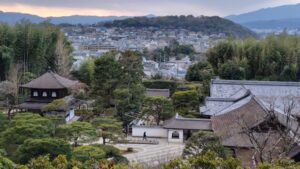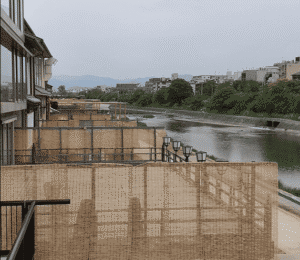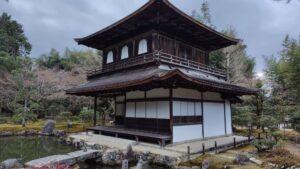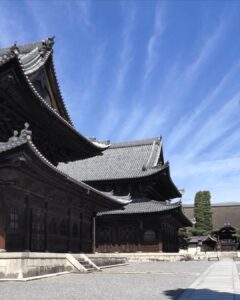
Shinnyodo Temple is located in eastern Kyoto, within walking distance of major sightseeing areas such as Ginkaku-ji (the Silver Pavilion) and the Philosopher’s Path. It is also close to well-known temples including Eikando Temple, famous for its autumn foliage, and the expansive Zen complex of Nanzen-ji Temple.
Despite being surrounded by these popular landmarks, Shinnyodo maintains a calm and contemplative atmosphere that feels noticeably removed from Kyoto’s busiest tourist routes.
Officially known as Shinshōgokuraku-ji, Shinnyodo is a Tendai sect Buddhist temple with a history of more than 1,000 years. Rather than functioning primarily as a sightseeing attraction, the temple continues to be valued as a place of faith, known for its connection to Pure Land beliefs, its standing statue of Amida Buddha, and its refined seasonal scenery—particularly in autumn.
This article explores the history of Shinnyodo Temple, its main highlights, and practical information on how to visit, helping you understand why this temple occupies a unique position among Kyoto’s eastern temples.
What Is Shinnyodo Temple?
Official Name and Meaning
The temple’s official name is Reishōzan Shinshōgokuraku-ji (鈴聲山 真正極楽寺).
The term Shinshō Gokuraku refers to the “True Pure Land,” the Buddhist paradise associated with Amida Buddha. While this formal name appears in religious and historical contexts, the temple is most commonly known as Shinnyodo, the name used by locals and visitors alike.
Religious Background
Shinnyodo belongs to the Tendai sect of Buddhism, one of the most influential schools in Japanese Buddhist history. The temple has long-standing ties to Enryaku-ji on Mount Hiei, the head temple of the Tendai sect, and shares doctrinal roots that shaped Buddhist thought in Kyoto for centuries.
History of Shinnyodo Temple
Foundation in 984
Shinnyodo was founded in 984, during the Heian period, by the monk Kaisan Shonin. The original temple was established on Mount Hiei, where it functioned as a place of devotion closely connected to Tendai Buddhist training and practice.
Relocation to Eastern Kyoto
In 1693, during the Edo period, Shinnyodo was relocated to its current site in what is now Sakyo Ward, Kyoto. This move placed the temple closer to the city while preserving a spatial layout and environment that reflected its mountain origins.
A Temple Sustained Through the Centuries
Over more than a thousand years, Shinnyodo has been supported by monks, aristocrats, and believers devoted to Pure Land faith. Despite periods of fire and political change, the temple has preserved its religious identity and continues to serve as an active site of worship today.
Planning your trip to Kyoto?
Finding the right hotel in a convenient location can make your journey even more enjoyable.
Compare a wide range of hotels, ryokan, and accommodations in Kyoto and find the perfect place for your stay.
👉 Find Hotels in Kyoto


Why Is Shinnyodo Famous?
Autumn Foliage in Eastern Kyoto’s Rakuto Area
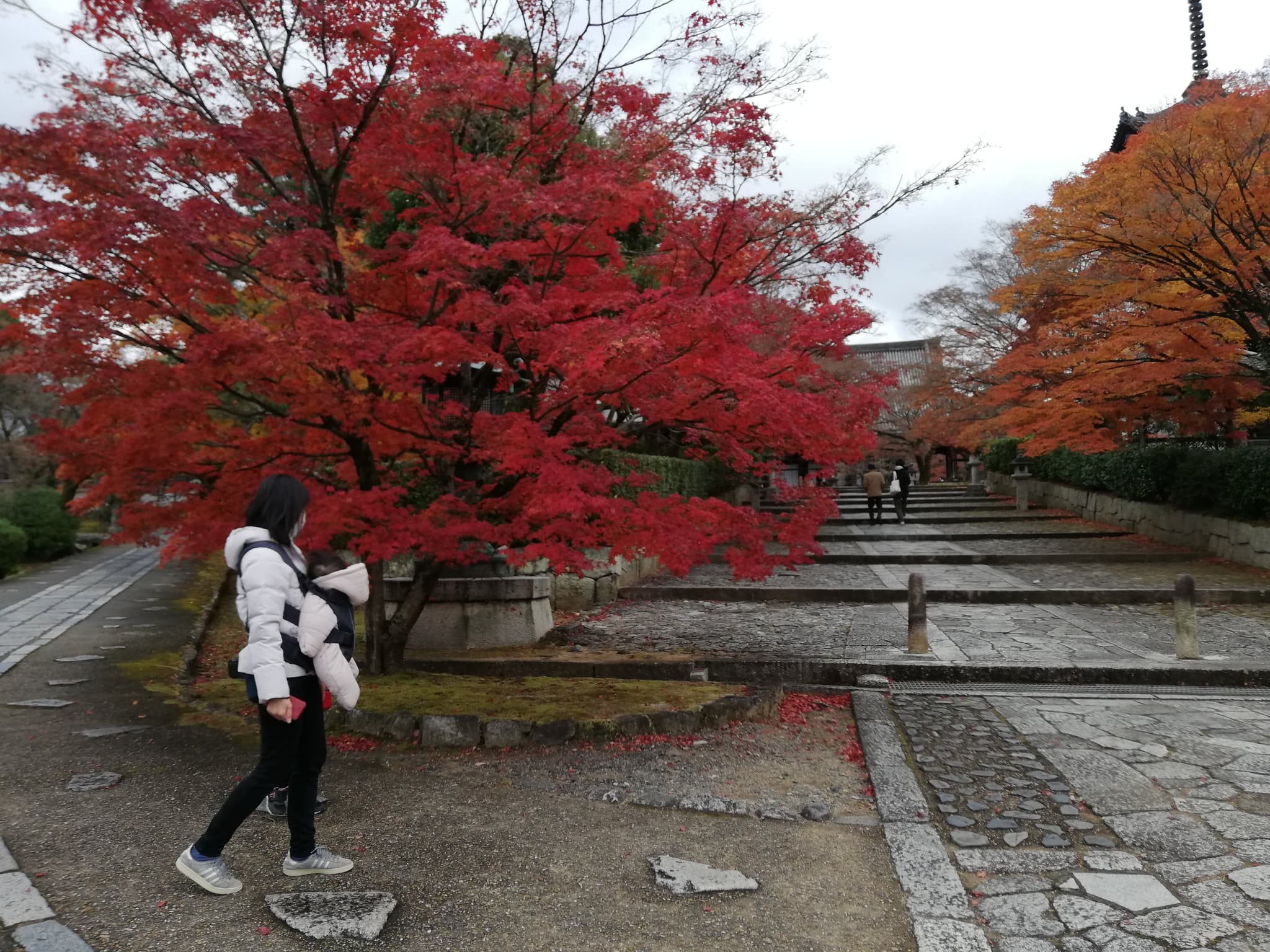
Shinnyodo is widely appreciated for its autumn foliage, particularly within the Rakuto area of eastern Kyoto. Maple trees spread across the spacious grounds gradually turn red and gold from early to late November, creating layered seasonal views around the main hall, pagoda, and stone pathways.
Compared with highly popular autumn foliage temples such as Eikando Temple, Shinnyodo offers a more subdued experience. The grounds are less commercialized, allowing visitors to enjoy the changing colors in a quieter, temple-centered setting rather than within tightly controlled crowds.
The Amida Buddha That Nodded Three Times
The principal image of Shinnyodo is a standing statue of Amida Nyorai (Amida Buddha). According to temple tradition, the statue is said to have nodded three times in response to Kaisan Shonin’s prayers.
Based on this legend, Shinnyodo has long been associated with prayers offered by women. While this belief is rooted in religious tradition rather than doctrine, it remains an important element of the temple’s spiritual identity.
A Temple Beyond Standard Tourist Routes
Although Shinnyodo is located near famous sightseeing corridors linking Ginkaku-ji, Eikando, and Nanzen-ji, it is not typically included in large group tour itineraries. This contributes to an atmosphere that feels slower and more reflective than many of Kyoto’s better-known temples.
Main Highlights and Things to See
Main Hall (Hondo)
The Main Hall is designated as an Important Cultural Property of Japan. Inside, visitors can pay their respects to the standing Amida Buddha, which serves as the focal point of worship at Shinnyodo.
Three-Story Pagoda
The elegant three-story pagoda stands out against the surrounding trees and is one of the most visually striking structures on the grounds. It is especially photogenic during autumn and spring.
Sanmon Gate and Stone Approach
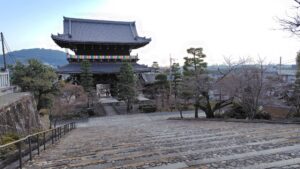
Visitors enter the precincts through the Sanmon Gate, followed by a gently ascending stone path lined with trees. This approach creates a gradual transition from the outer world into the temple’s sacred space.
Gardens and Seasonal Scenery
Shinnyodo offers distinct scenery throughout the year:
- Spring: Soft cherry blossoms around the halls
- Autumn: Maple leaves dominating the landscape
- Winter: Occasional snowfall creating a quiet, monochrome atmosphere
Many Japanese products are heavily marked up outside Japan.
Availability can also be limited.
Skip the middleman and shop directly from Japan.
Now you can access thousands of authentic products—from watches and electronics to rare collectibles like Pokémon cards.
👉 Click to Explore Japanese Products メルカリ
Best Time to Visit Shinnyodo
Autumn (Mid to Late November)
Autumn is the most popular season, when the maple leaves reach their peak. Visiting in the morning is recommended for a quieter experience and better lighting.
Spring (Late March to Early April)
Spring brings cherry blossoms and mild weather, making it a pleasant alternative for those who prefer fewer visitors than in autumn.
Summer and Winter
Summer and winter are ideal for travelers seeking tranquility, as visitor numbers are generally low during these seasons.
How to Get to Shinnyodo Temple
Location in Kyoto
Shinnyodo is located in eastern Kyoto, close to:
- Ginkaku-ji (Silver Pavilion)
- The Philosopher’s Path
- Eikando Temple
- Nanzen-ji Temple
- The Okazaki cultural area
By Bus
From Kyoto Station, take a Kyoto City Bus No. 5, 17, or 100 bound for the eastern Kyoto area.
Get off at Kinrin Shako-mae bus stop. From there, it is about a 10-minute walk uphill to Shinnyodo Temple.
This route is convenient for travelers coming directly from central Kyoto or Kyoto Station.
On Foot
Shinnyodo can also be reached on foot from nearby attractions such as the Philosopher’s Path, Ginkaku-ji, or Eikando Temple. From Shinnyodo, it is easy to continue south toward larger temple complexes like Nanzen-ji Temple, making it a natural part of a walking itinerary through eastern Kyoto.