What Is Kurodani Konkai-Komyoji Temple?
Overview of the Temple
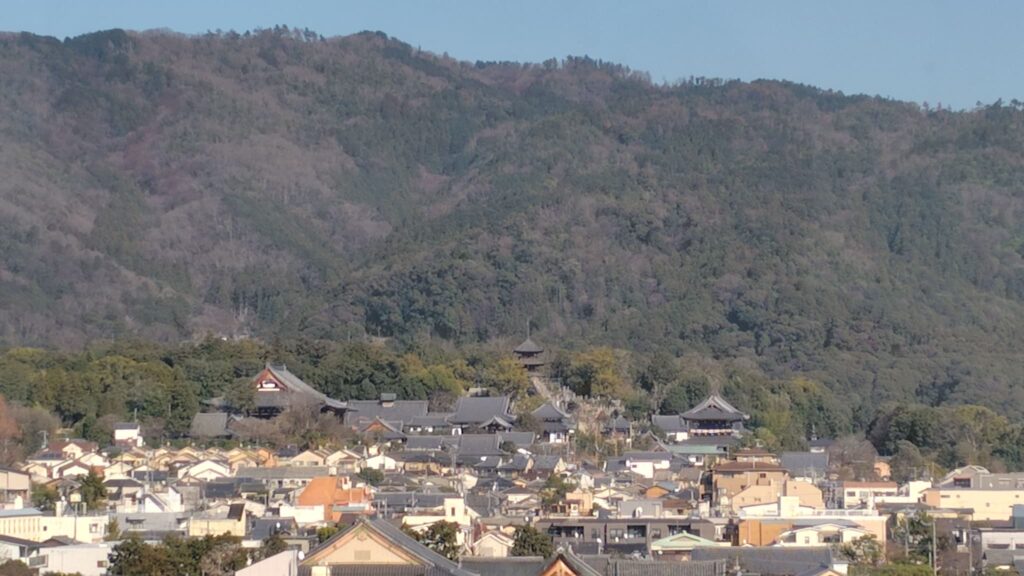
Kurodani Konkai-Komyoji Temple is one of the head temples of Jodo Buddhism, one of Japan’s most influential Buddhist sects. Located in Kyoto’s northern Higashiyama area, the temple has long been an important spiritual center associated with Pure Land teachings.
Locally, the temple is affectionately known as “Kurodani,” a nickname that reflects both its location and its long-standing connection with the surrounding community. Compared to more famous temples in Kyoto, it offers a quieter and more contemplative atmosphere, making it a unique destination for travelers seeking a deeper cultural experience.
Why It’s Called “Kurodani”
The name “Kurodani” literally means “Black Valley.” It originates from the geographical features of the area, which was once a shaded valley surrounded by dense forest. Over time, the name became commonly used by locals, and today it remains a familiar and friendly way to refer to Konkai-Komyoji Temple.
This nickname adds to the temple’s identity, giving it a more intimate and approachable character compared to its formal name.
A Hidden Gem in Northern Higashiyama
Unlike Kyoto’s more crowded landmarks, Kurodani Konkai-Komyoji Temple remains relatively undiscovered by international tourists. This makes it an ideal place for those who want to escape the crowds and experience a more authentic side of Kyoto.
The temple grounds are spacious and peaceful, often filled with the sounds of birds and rustling leaves rather than large tour groups. Its location on slightly elevated terrain also offers a sense of distance from the busy city, even though it is still close to major sightseeing areas.
If you are looking for a temple that combines history, tranquility, and scenic beauty without the crowds, this is a place well worth visiting.
Book the lowest-priced hotels, and rental kimono directly from trusted Japanese booking sites!


Discover why the world is obsessed with Japanese digital manga — start reading now!

History of Konkai-Komyoji Temple
Foundation and Role in Jodo Buddhism
Konkai-Komyoji Temple was founded in the 12th century and is closely associated with Honen, the founder of Jodo Buddhism. Honen taught that salvation could be achieved through faith in Amida Buddha and the recitation of the nembutsu (a simple chant), making Buddhism more accessible to ordinary people.
Over time, the temple developed into one of the most important centers of Jodo Buddhism in Japan. Its role as a head temple reflects both its historical significance and its continued importance in religious practice.
The temple’s architecture and layout also reflect its spiritual role, with large halls and open grounds designed to accommodate gatherings and ceremonies.
Connection to the Shinsengumi and the Aizu Domain
One of the most distinctive aspects of Konkai-Komyoji Temple is its deep connection to samurai history during the late Edo period.
The temple became closely associated with Matsudaira Katamori, the lord of the Aizu Domain. The Aizu Domain was located in what is now Fukushima Prefecture, in northern Japan. Despite being far from Kyoto, Katamori was appointed as the Kyoto Shugoshoku (military governor of Kyoto) by the Tokugawa shogunate.
When he arrived in Kyoto, Konkai-Komyoji Temple served as the headquarters of the Aizu Domain. At that time, the temple effectively functioned as a military base, playing a central role in maintaining order in the city during a turbulent period.
The temple is also closely connected to the Shinsengumi, the famous samurai police force that operated under the authority of the Aizu clan. This connection gives the temple a unique historical identity, blending religious significance with the dramatic events of Japan’s transition from feudal rule to modernization.
This combination of spiritual heritage and samurai history is one of the key reasons why Konkai-Komyoji stands out among Kyoto’s many temples.
Development Through the Edo Period
During the Edo period, Konkai-Komyoji Temple continued to expand and develop. Many of the structures seen today were built or renovated during this time, reflecting both the temple’s importance and the support it received from powerful patrons.
The temple grounds include several significant buildings and cultural properties, showcasing traditional architectural styles and craftsmanship. These structures contribute to the temple’s historical atmosphere and provide visitors with a glimpse into its long and evolving past.
Book the lowest-priced Shinkansen, hotels, and rental cars directly from trusted Japanese booking sites!


Discover why the world is obsessed with Japanese digital manga — start reading now!
Highlights of Kurodani Konkai-Komyoji Temple
The Sanmon Gate and Panoramic Views
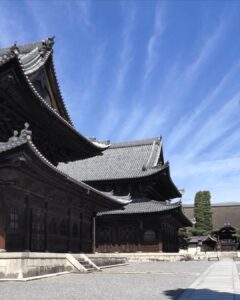
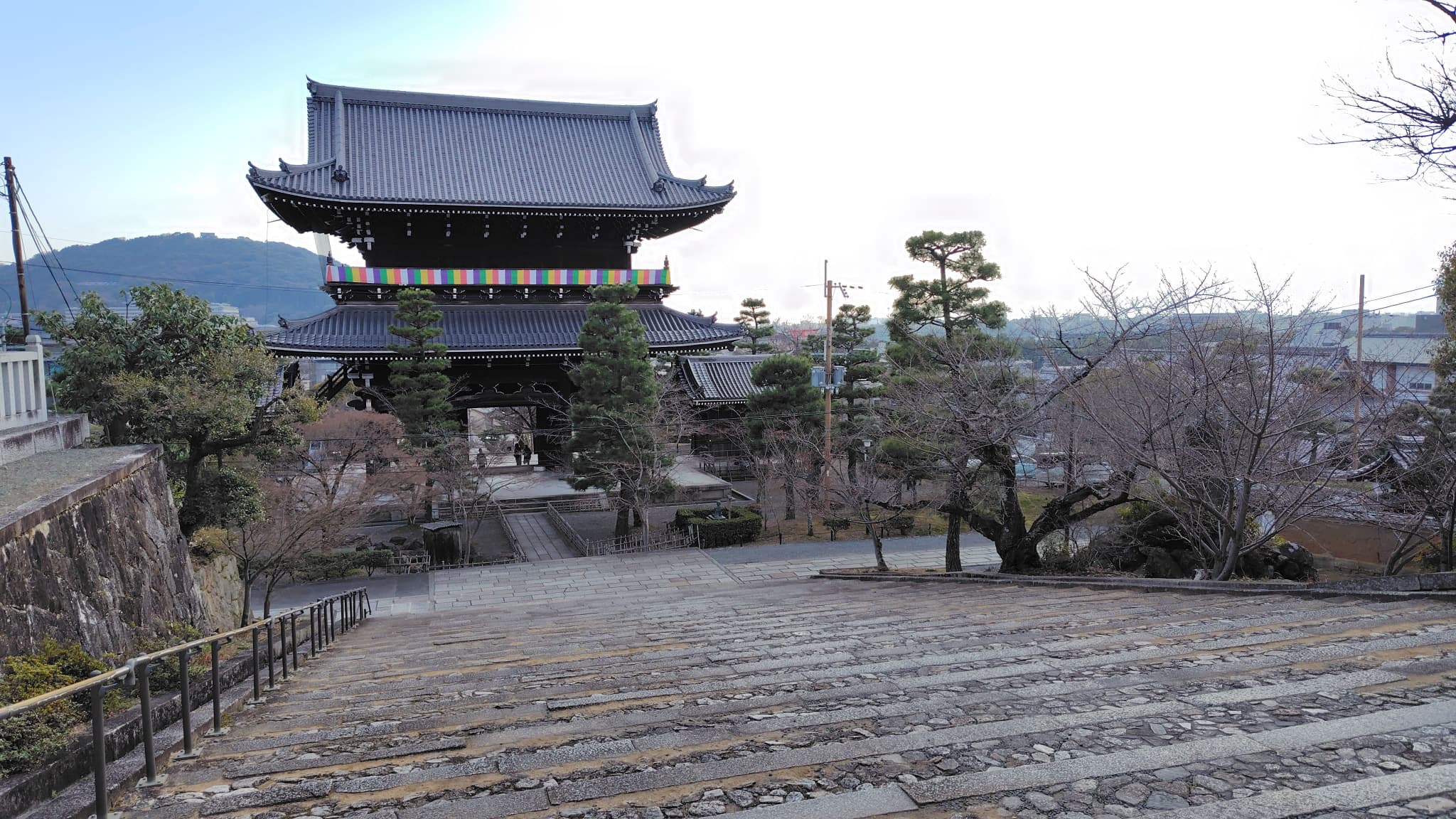
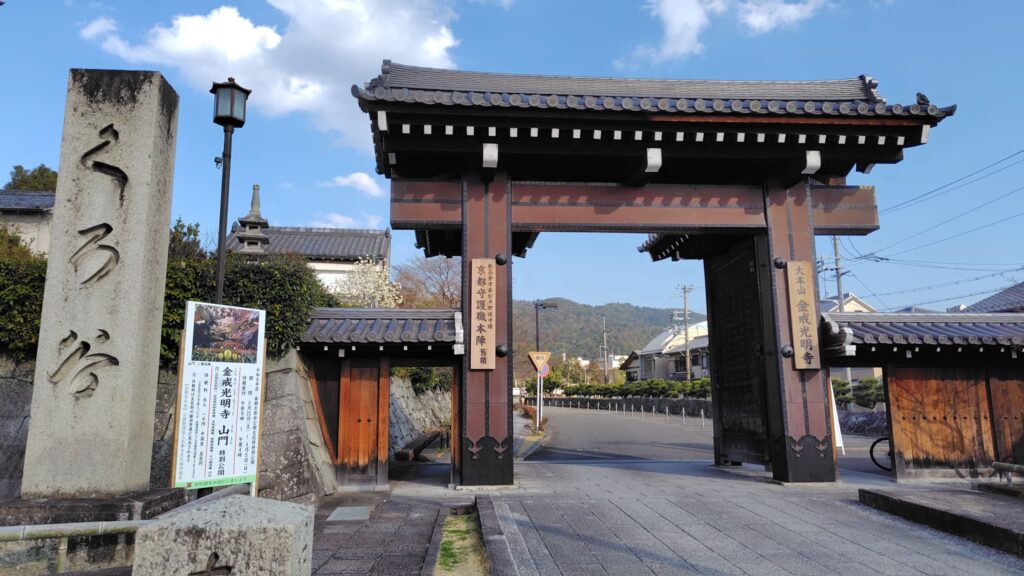
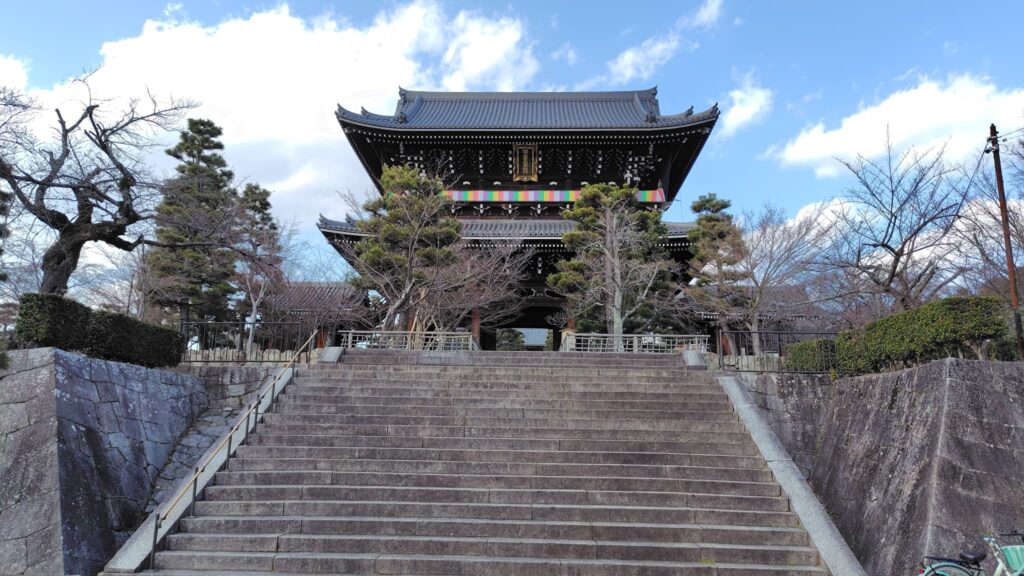
One of the most striking features of the temple is its impressive Sanmon gate. This large wooden gate stands at the entrance to the temple grounds and serves as a symbolic threshold between the everyday world and a sacred space.
From higher points within the temple grounds, visitors can enjoy panoramic views of Kyoto. The slightly elevated location provides a unique perspective of the city, especially during clear days or seasonal changes.
The Temple Grounds and Historic Buildings
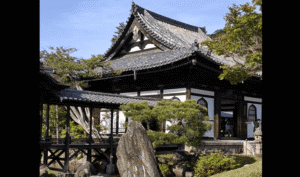
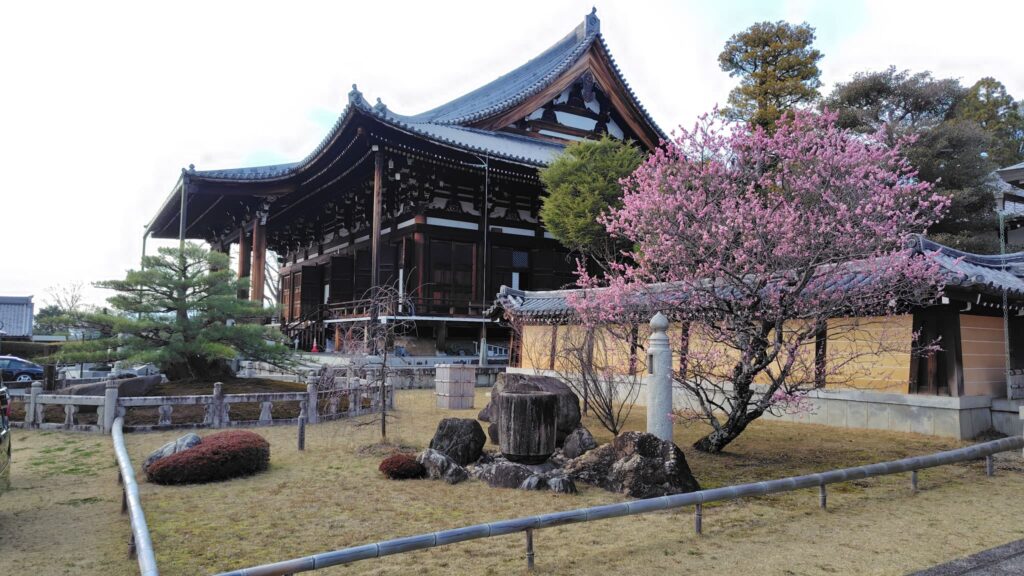
The temple complex is expansive, with several important halls and structures spread across the grounds. Among them are the Miedo Hall and the Amida Hall, both of which play central roles in religious activities.
Walking through the temple grounds allows visitors to appreciate traditional Japanese architecture and the careful layout of sacred spaces. The buildings are surrounded by natural elements such as trees and stone pathways, creating a harmonious and peaceful environment.
The Atmospheric Cemetery
One of the most unique aspects of Konkai-Komyoji Temple is its large cemetery area. While it may seem unusual as a highlight, the cemetery is known for its quiet beauty and deeply atmospheric setting.
Stone graves, moss-covered paths, and towering trees create a sense of timelessness. The area is particularly photogenic and offers a reflective space for visitors interested in history and culture.
Shiun Garden (Special Opening)
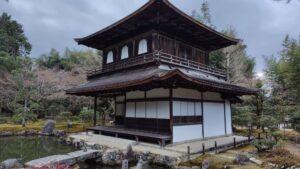
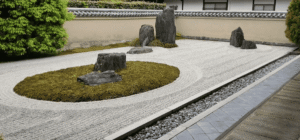
The Shiun Garden is a traditional Japanese stroll garden located within the temple grounds. It is not always open to the public, but during special periods, visitors can explore its carefully designed landscape.
The garden features a pond, stone arrangements, and seasonal plants that reflect the aesthetics of classical Japanese garden design. When open, it is one of the temple’s most attractive features.
Autumn Foliage (Best Season)
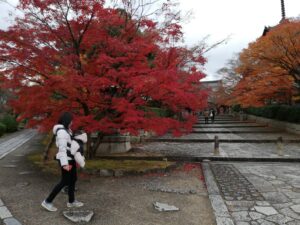
Kurodani Konkai-Komyoji Temple is especially popular during the autumn season. The temple grounds are filled with vibrant red and orange leaves, creating a stunning contrast with the traditional architecture.
Because the temple is less crowded than major tourist spots, visitors can enjoy the autumn scenery in a more relaxed and intimate setting. This makes it a hidden gem for those seeking beautiful fall foliage in Kyoto.
A Temple with Samurai History
What truly sets this temple apart is its connection to samurai history. Unlike many temples that are known only for their religious or aesthetic value, Konkai-Komyoji carries the legacy of a turbulent historical era.
As you walk through the quiet grounds, it is striking to imagine that this peaceful place once functioned as a military headquarters. The contrast between its current tranquility and its past role during the late Edo period creates a powerful and memorable experience.
This unique blend of spirituality and history adds depth to any visit and makes the temple especially appealing to those interested in Japan’s samurai culture.
How to Visit Kurodani Konkai-Komyoji Temple
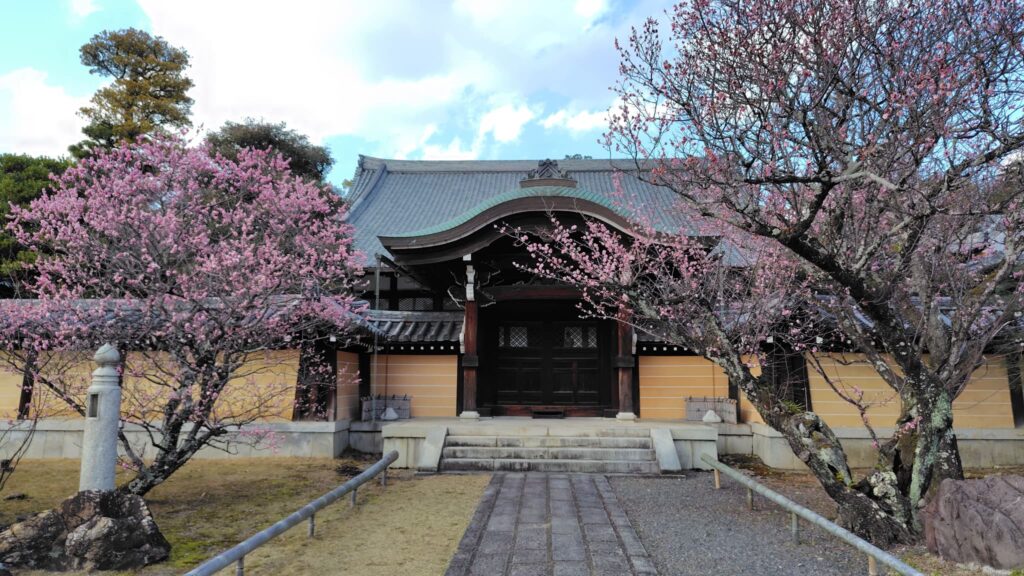
Location and Area Overview (Northern Higashiyama)
The temple is located in the northern part of Kyoto’s Higashiyama district. This area is known for its mix of famous attractions and quieter, lesser-known spots.
Its location makes it a convenient stop when exploring nearby temples and cultural sites, while still offering a more peaceful atmosphere compared to central tourist areas.
How to Get There
From Kyoto Station:
Take Kyoto City Bus No. 5 or No. 100 from Kyoto Station to the Okazaki area (get off at “Okazaki Shrine” or “Okazaki Koen”). From there, it is about a 10–15 minute walk to reach the temple.Alternatively, you can combine train and walking routes depending on your preference.
Opening Hours and Admission Fees
The temple grounds are generally open to visitors during the day, and entry to the main grounds is often free. However, certain areas such as special exhibitions or the Shiun Garden may require an admission fee during limited periods.
It is recommended to check the latest information before visiting, especially if you are planning to see specific areas.