Pontocho is one of Kyoto’s most atmospheric and iconic streets. Stretching along the Kamogawa River in the heart of downtown, this narrow alley blends traditional wooden architecture, refined dining, and centuries-old geisha culture into a single unforgettable experience.
For many visitors, Pontocho represents the romantic image of Kyoto: lantern-lit facades, quiet cobblestones, and the possibility of glimpsing a geiko or maiko on her way to an engagement.
This guide explains what Pontocho is, how it developed, what makes it special, and how to visit it properly.
What Is Pontocho?
Pontocho is a narrow pedestrian alley located between Shijo-dori and Sanjo-dori, running parallel to the Kamogawa River in central Kyoto. The street is approximately 500 meters long and is lined with restaurants, traditional townhouses (machiya), small bars, and exclusive dining establishments.
Despite its compact size, Pontocho is one of Kyoto’s five historic geisha districts (known as kagai). It functions both as:
- A preserved cultural district
- A dining and nightlife destination
- A seasonal riverside experience area
During the day, Pontocho feels quiet and almost residential. At night, it transforms into a lively yet refined entertainment district illuminated by lantern light.
The History of Pontocho
Origins in the Edo Period
Pontocho’s origins date back to the early Edo period (17th century). The area developed along the western bank of the Kamogawa River, which was historically a center of commerce and entertainment.
Initially, the riverbank attracted teahouses and informal entertainment venues that catered to travelers and merchants. Over time, these establishments evolved into more formalized entertainment businesses.
Development as a Geisha District
By the 18th and 19th centuries, Pontocho had become an established kagai (geisha district). Unlike modern nightlife areas, kagai districts were refined cultural centers where trained entertainers performed traditional arts such as:
- Classical dance
- Shamisen music
- Poetry and conversation
- Tea service
Pontocho’s geisha community remains active today, making it one of Kyoto’s enduring cultural districts.
The Meaning of the Name “Pontocho”
The name “Pontocho” has uncertain origins. One theory suggests that “Ponto” may derive from a Portuguese word introduced during early trade contact, while others believe it evolved from Japanese terms referring to the riverbank. The “cho” simply means “town” or “district.”
Although the exact origin is debated, the name itself reflects the area’s long and layered history.
Book the lowest-priced hotels, and rental kimono directly from trusted Japanese booking sites!


Discover why the world is obsessed with Japanese digital manga — start reading now!

Pontocho as a Geisha District
What Is a Kagai?
A kagai is a traditional entertainment district where geiko (Kyoto’s term for geisha) and maiko (apprentice geisha) live, train, and perform.
Kyoto has five officially recognized kagai, and Pontocho is one of them. These districts maintain strict traditions, apprenticeship systems, and performance schedules.
Pontocho Kaburenjo Theater
At the heart of the district is the Pontocho Kaburenjo Theater. This is the main performance venue for the district’s geiko and maiko.
The theater is most famous for hosting the annual Kamogawa Odori, a traditional dance performance held in spring. The event showcases classical dance, seasonal themes, and refined stage design. It is one of the few opportunities for the general public to experience geisha culture in a formal setting.
Etiquette Around Geiko and Maiko
Visitors may occasionally see a geiko or maiko walking quickly to an appointment in the evening. It is important to remember:
- Do not block their path
- Do not touch or chase them
- Avoid intrusive photography
Respectful observation from a distance is acceptable, but courtesy is essential.
Highlights of Visiting Pontocho
The Atmosphere at Night
Pontocho is most magical after sunset. Lanterns illuminate the wooden facades, and the narrow alley creates an intimate atmosphere rarely found in modern cities.
Unlike louder nightlife districts, Pontocho maintains a refined and subdued ambiance. Conversations are quiet, and restaurants often sit behind sliding wooden doors.
Traditional Machiya Architecture
Many buildings in Pontocho are preserved machiya townhouses. These structures feature:
- Wooden lattice facades
- Narrow entrances
- Deep interiors extending back from the street
This architectural style contributes significantly to the district’s charm and historical continuity.
A Unique Blend of Old and New
While Pontocho is rooted in tradition, it is not a museum. Alongside centuries-old establishments, visitors will find:
- Contemporary Japanese cuisine
- Modern cocktail bars
- Creative fusion restaurants
The result is a district that feels alive rather than frozen in time.
Riverside Dining: What Is Kawayuka?
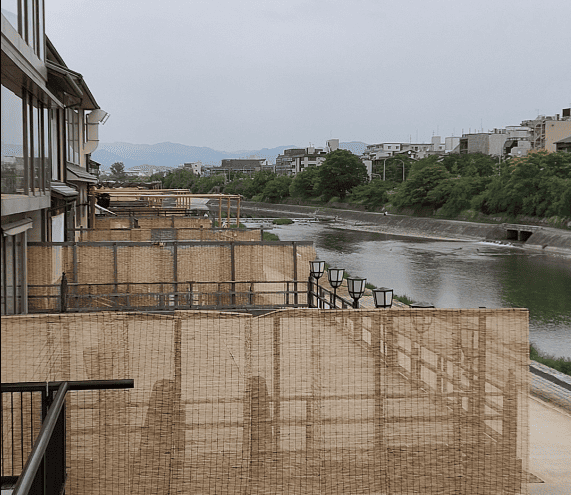
One of Pontocho’s most distinctive features is its seasonal riverside dining platform system, known as kawayuka (also called noryo-yuka).
What Is Noryo-Yuka?
During the warmer months (typically from May through September), many restaurants construct temporary wooden platforms extending over the Kamogawa River.
These platforms allow guests to dine outdoors above the flowing water. The tradition dates back centuries and was originally designed to provide natural cooling during Kyoto’s humid summers.
What to Expect
Dining on a kawayuka platform offers:
- Open-air seating
- River views
- Evening breezes
- A romantic atmosphere
Prices vary widely depending on the restaurant. High-end kaiseki meals can be expensive, while some establishments offer more accessible options.
Reservations are strongly recommended during peak season.
Book the lowest-priced Shinkansen, hotels, and rental cars directly from trusted Japanese booking sites!


Discover why the world is obsessed with Japanese digital manga — start reading now!
What to Eat in Pontocho
Pontocho is primarily known as a dining destination. However, it is not limited to one style of cuisine.
Types of Restaurants You’ll Find
- Kaiseki (traditional multi-course dining)
- Yakitori (grilled chicken skewers)
- Izakaya (Japanese pub-style dining)
- Sushi and seafood
- Modern Japanese fusion
- Michelin-listed establishments
Some restaurants are small and intimate, seating fewer than 10 guests. Others occupy multiple floors within renovated machiya buildings.
Price Range and Reservations
Pontocho includes both high-end establishments and moderately priced options. However:
- Dinner tends to be more expensive than lunch
- English menus are not always available
- Reservations may be required, especially for kawayuka seating
If you are visiting during peak tourist seasons, planning ahead is advisable.
How to Get to Pontocho
Pontocho is centrally located and easy to access.
Nearest Stations
- Kawaramachi Station (Hankyu Line) – short walk
- Gion-Shijo Station (Keihan Line) – short walk
- Sanjo Station – nearby
From Kyoto Station
From Kyoto Station, you can:
- Take the Karasuma Subway Line to Shijo Station and walk
- Take a city bus toward Shijo Kawaramachi
- Take a taxi (approximately 15–20 minutes depending on traffic)
Because Pontocho is located in downtown Kyoto, it is also within walking distance of Gion, Nishiki Market, and Yasaka Shrine.